📨 Issue #2 — "The Letter That Waited Forty Years"
Sunday, May 31, 2026 • Theme: GRATITUDE • From the archive of The Mir's free weekly email, complete and unabridged.
🌅 The Opening Thought
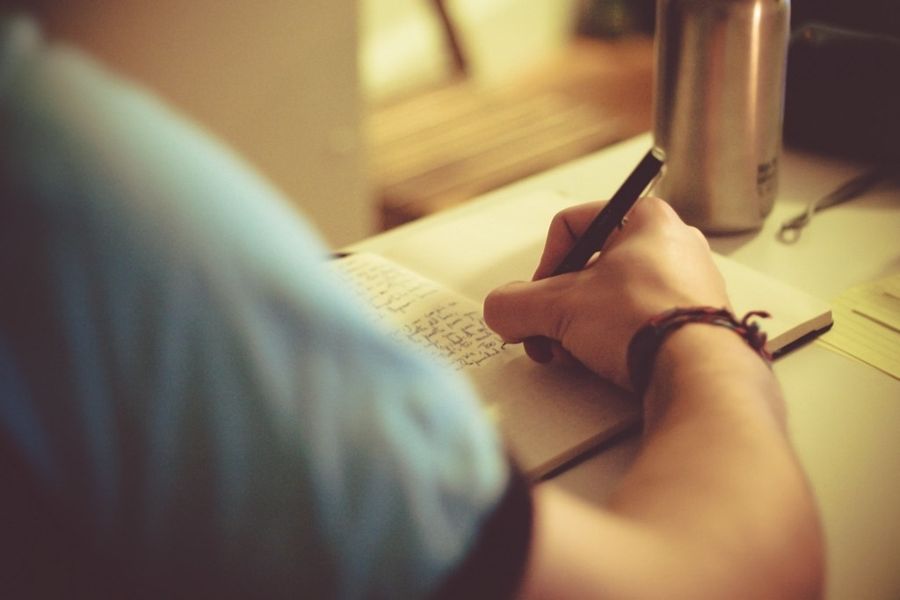
Dear friend — it's Sunday evening again, and this week we've been thinking about the strange arithmetic of gratitude. Here is the puzzle: nothing about your circumstances changes when you give thanks. The house is the same house, the paycheck the same paycheck, the aching knee the same knee. And yet everyone who practices gratitude reports the same impossible result — there is suddenly more. More warmth in the same kitchen, more gold in the same ordinary Tuesday. Gratitude doesn't add a single thing to your life. It just turns all the lights on in the rooms you already own.
The trouble is that thankfulness, unlike worry, does not volunteer. Worry shows up uninvited at 3 a.m. wearing muddy boots; gratitude waits politely to be asked. If you don't make a little appointment with it — a list, a prayer, a quiet minute at the stove — whole weeks of good things slide by unthanked: the friend who called, the tomato that ripened, the bus that waited, the body that carried you up the stairs again without being thanked once in forty years.
And there is a second half to gratitude that we forget even more often: telling people. Somewhere out there is a teacher, a neighbor, an old boss, an aunt, who changed the course of your life and has no idea. The thank-you that stays in your chest warms only you. The thank-you that gets said — or better, written down and stamped — warms two people, and one of them may have been cold a long time.
So this week's letter is about both halves: noticing what you have, and telling the people who gave it. The story below is about a thank-you that took forty years to arrive. Yours can take a stamp and three days. That's the whole ambition of this issue.
💬 Three Good Quotes
📖 One Small Story: The Letter That Waited
When the Hendersons bought the old farmhouse on Quarry Road, they inherited its junk along with its charm: a barn full of paint cans, a cellar of empty jars, and, wedged behind a built-in dresser they were prying out of the upstairs bedroom, a sealed envelope gone the color of weak tea. It was stamped — a stamp forty years out of date — addressed in careful cursive to a Mrs. Eleanor Voss at an address two towns over, and never mailed. It had simply slipped behind the dresser, sometime around the year the Hendersons were born, and waited.
They could have thrown it out. Instead, Kate Henderson spent a Saturday with the county library's old phone books and a helpful church secretary, and found her: Eleanor Voss, now ninety-one, in a residential home twenty minutes away. Kate drove the letter over herself. She figured she owed it that, after its long wait.
Eleanor turned the envelope over twice and her hands started to tremble. "That's Ruthie Calder's handwriting," she said. "I taught her in fourth grade." She opened it with a butter knife, slow as surgery.
The letter was from a young woman about to leave town for a teaching job of her own. Four decades late, it said what it had always said: Dear Mrs. Voss — I got the position. I never told you that you are the reason. You told me in fourth grade that I had a good mind and you said it like a plain fact, like the weather. Nobody had ever said it before. I have thought of it at every hard corner since. Whatever good I do in a classroom is yours first. Thank you. — Ruth.
Eleanor read it twice, then laid it in her lap. "I always wondered if I'd been any use," she said — a woman who had taught eleven hundred children to read. The home's activity director told Kate later that Eleanor kept the letter on her nightstand, and showed it to everyone: nurses, visitors, the man who refilled the bird feeders.
Here is the part that stays with us: the gratitude in that envelope was real for all forty of its silent years — but it warmed nobody until it was delivered. Someone, somewhere, said the true thing about you once, or you have a true thank-you of your own that has been sitting behind the dresser of your busyness for years. It is not too late. It is almost never too late. But there's no reason on earth to test how close to too late you can cut it.
🕯 The Candle Corner
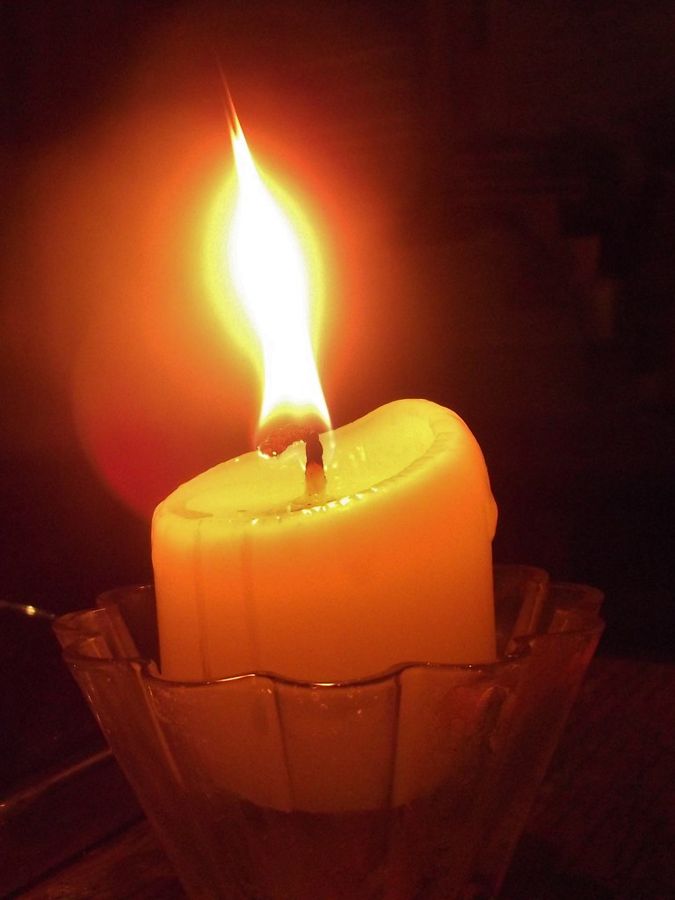
Gratitude and candlelight are old companions. A candle is, itself, a small thanksgiving — for light, for the day survived, for the roof over the flame. This week, try lighting a candle at the table before you make your gratitude list (practice below). Let the lighting be the signal: now we count the good things.
Readers sometimes ask which candle we keep on our own gratitude table, and the honest answer is the Gratitude Amber Jar — honey and sandalwood, warm amber glass, the one we call the "thank-you candle." It also makes a fine deliverable thank-you for the Mrs. Voss in your life. But any flame counts. Gratitude has never once checked the price of the candle.
🌱 This Week's Practice: Three Lines by Candlelight
The classic, because it works. Every evening this week:
- Light a candle (or a lamp, or sit by the window — the signal matters more than the flame).
- Write three lines: three things from this actual day you're glad of. Small beats grand — "the second cup of coffee" is a better entry than "life itself." Specific gratitude is the kind that sticks.
- No repeats all week. By Thursday this gets challenging. By Sunday it has quietly retrained your eyes — you'll catch yourself noticing things at 2 p.m. just so you can write them down at 9.
- Bonus, for the brave: before next Sunday, write ONE thank-you note to a person who never got theirs — a teacher, a neighbor, an old friend. Stamp it. Mail it. Do not let it find its way behind a dresser.
Twenty-one lines and one envelope. That's the whole week's work, and it may be the best work you do all month.
Thankfully yours (and we do mean that literally),
— The Mir
« Previous: Issue #1 — Beginnings | Issue Archive | Next: Issue #3 — Rest & Stillness »