📨 Issue #6 — "The Porch Light Left On"
Sunday, June 28, 2026 • Theme: HOPE • The newest issue in the public archive of The Mir's free weekly email.
🌅 The Opening Thought
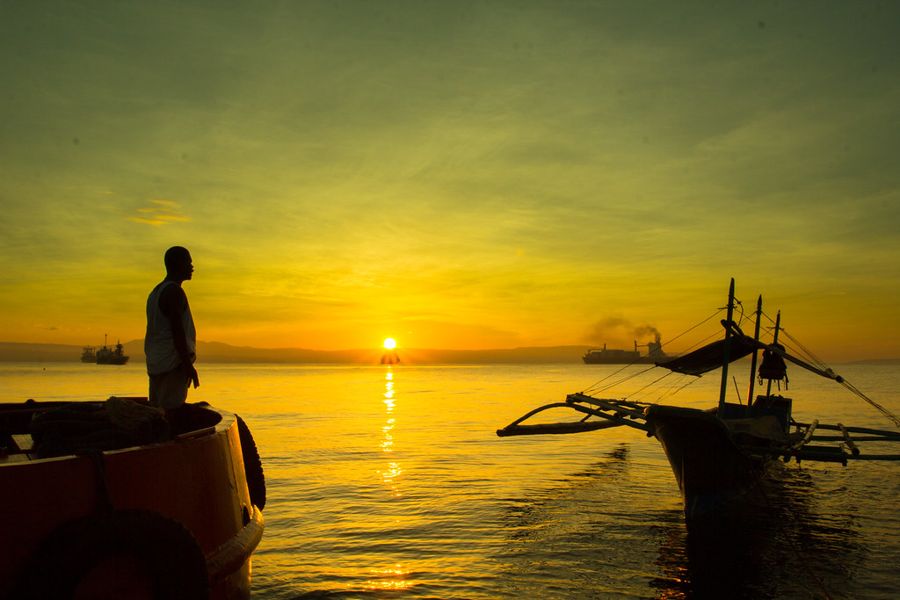
Dear friend — for our sixth letter, we saved the word we'd been circling all along: hope. It's a word that gets handled carelessly, so let's be precise about what we mean. Hope is not optimism. Optimism is a forecast — a bet that things will probably turn out fine — and forecasts can be argued with. Hope is sturdier and stranger than that. Hope doesn't predict anything. Hope just refuses to close the door. It says: I don't know how this turns out, and I am staying at my post anyway.
That's why hope, properly understood, is a practice and not a mood. Moods arrive and leave on their own schedule, like weather. But a practice is something you can do with your hands on the worst day of your year: plant the bulb you won't see until spring. Set two plates. Keep the resume updated. Leave the light on. None of these acts require you to feel hopeful — that's the mercy of them. You can do every one of them in tears. The feeling, in our experience, follows the practice home like a stray cat: not always the same night, but eventually, and then it stays.
And here is what hope does that nothing else can: it keeps a place open. For the person who might come back, for the strength that might return, for the chapter you can't imagine yet from the middle of this one. A hopeless heart boards everything up — sensibly, defensively, and completely — and then whatever good arrives finds no door to knock on. The hopeful heart pays a real cost, yes: open doors let in drafts. But they are also the only kind of door anything wonderful has ever walked through.
The story below is about the most literal hope we've ever encountered: a sixty-watt bulb on a porch on Cedar Street, and the woman who would not turn it off. We think of her every time we say the word.
💬 Three Good Quotes
That perches in the soul,
And sings the tune without the words,
And never stops at all." — Emily Dickinson
📖 One Small Story: The Light on Cedar Street
Everyone on Cedar Street knew Mrs. Alvarez's porch light. It was nothing special to look at — a sixty-watt bulb in a slightly rusted fixture — except that it never went out. Not at midnight, not at 4 a.m., not in the years when energy prices made everyone else's porches go dark. Kids on the street grew up using it as a landmark: you know, the house with the light.
The story, which the street learned slowly and in pieces, was this: Mrs. Alvarez's son Daniel had left home at nineteen after the kind of argument that families don't repeat aloud. No calls, no letters. A year became five, became ten. And on the night he left, Mrs. Alvarez turned on the porch light, and then she did not turn it off. "So he knows," she told her neighbor once, in the tone of someone stating a plain policy, "that whatever hour he comes back, the house isn't done with him. Lights off means done. My light is on."
People worried about her, quietly. A decade of that could look, from the outside, like a woman stuck. But Mrs. Alvarez didn't act stuck. She hosted the block party. She taught half the street's children piano. The light wasn't instead of a life; it was part of one — a single burning sentence at the edge of a full house: the door is not boarded up. When the bulb died she replaced it the same day, the way you'd fix anything essential.
Daniel came back in the eleventh year, on a Tuesday in November, at nearly two in the morning. He told the story himself, later, at his mother's kitchen table, to a room full of neighbors: how he'd driven into the old street rehearsing apologies, sick with the certainty that eleven years had shut every door — and then made the turn onto Cedar and seen it. The light. Still on. He said he sat in the parked car for twenty minutes, crying too hard to walk, because he understood in one look what it meant: she never once, in eleven years, expected him not to come.
"I knocked," Daniel said, "but honestly, the light had already answered."
Hope is like that. It can't make anyone come home — the porch light of Cedar Street had no power over Daniel's eleven years, and Mrs. Alvarez knew it. All hope can do is keep the one thing burning that despair would have switched off, so that when the turning finally happens, there is something lit to turn toward. That's not nothing. Some nights, it's everything.
🕯 The Candle Corner
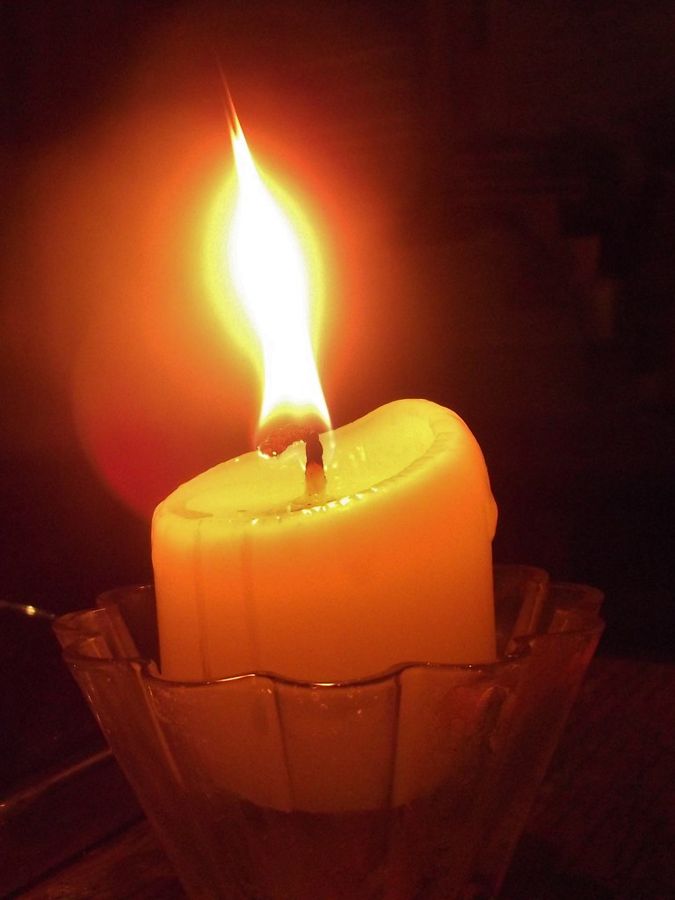
Every candle is a porch light at heart. Humans have set flames in windows for as long as there have been windows — for travelers, for sailors, for the ones not home yet. A lit candle in the dark says exactly what Mrs. Alvarez's bulb said: expected. Awaited. Not given up on.
This week, light a candle for something. Not about something — for it. For the diagnosis that hasn't come back yet. For the kid finding their way. For the version of next year you can't see from here. Set the candle in a window if you safely can, name the hope out loud while you light it, and let it burn awhile. If you want a flame with some patience in it, our amber jar candle burns forty-five hours — a good long vigil — but as always, friend: the hope is in the lighting, not the price tag.
🌱 This Week's Practice: Plant One Hope Where You Can See It
Hope stays sturdy when it has a body. This week, give one of yours a physical form:
- Name one true hope. Not a vague wish — a real one, the kind that has an ache attached. Write it as a single sentence beginning "I am still hoping for..."
- Choose its object. Something you can see or do: a bulb planted in the yard, a candle in the window, a second chair kept clear, a photo moved to the front of the shelf, a date circled on next year's calendar.
- Install it. Put the object where daily life will bump into it. Hope kept in a drawer helps nobody; Mrs. Alvarez's light worked because it was visible from the street.
- Tend it once this week. Water it, relight it, dust it — thirty seconds. Tending is the practice. You are teaching your heart, by hand, that this door stays open.
- Tell one person what it is. A hope spoken aloud is twice as hard for despair to blow out.
That's the whole practice: one hope, given a body, kept lit. It's also — if we may say so, six issues in — a fair description of this entire little newsletter, and of you, friend, for reading it. Keep your light on. We'll keep ours on too.
Hopefully yours — in the oldest, sturdiest sense of the word,
— The Mir
« Previous: Issue #5 — Kindness | Issue Archive | Issue #6 (newest in archive) — get Issue #7 by email »